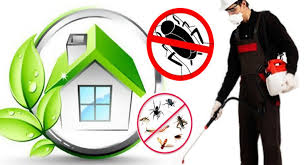
Effective Disinfection Solutions for Eliminating Germs
Maintaining a hygienic environment is a critical component of public health and safety in both commercial and residential spaces. While traditional cleaning focuses on removing visible dirt and debris, it often leaves behind microscopic threats that can lead to widespread illness. Relying on specialized Disinfections (Απολυμανσεις) procedures bridges this gap by actively neutralizing invisible pathogens that thrive on high-touch surfaces. Implementing these rigorous hygiene protocols ensures a higher standard of safety, protecting occupants from potential outbreaks while fostering a healthier, more productive indoor atmosphere. Businesses that prioritize these measures demonstrate a clear commitment to the well-being of their employees and customers.
What percentage of illnesses spread through contaminated surfaces?
Research highlights that contaminated surfaces play a major role in the transmission of illness. According to global health studies, approximately 80% of communicable diseases are transferred through direct or indirect touch. When an infected individual interacts with a doorknob, desk, or shared equipment, pathogens can survive for hours or even days. Professional sanitation teams use targeted chemical treatments to break this chain of transmission, drastically reducing the microbial load on these surfaces.
Why are standard cleaning methods considered insufficient?
Many facility managers assume that a visibly clean room is a safe room. However, industry data shows that standard cleaning processes alone leave up to 50% of surface bacteria entirely intact. Soap and water may loosen dirt, but they do not actively kill resilient viruses and bacteria. Advanced sanitation solutions utilize specialized agents designed to penetrate the cellular walls of harmful microbes, achieving a 99.9% elimination rate that standard janitorial work simply cannot match.
How often should high-traffic facilities undergo specialized treatments?
The frequency of comprehensive sanitation depends heavily on the volume of foot traffic and the nature of the facility. Medical centers and schools typically require daily interventions to maintain safe conditions. For standard corporate environments, statistics suggest that implementing deep sanitation protocols at least twice a week reduces employee absenteeism by nearly 20%. Regular interventions prevent the compounding growth of bacterial colonies, keeping the indoor environment consistently secure.
Are commercial-grade treatments safe for daily business operations?
A common concern among business owners is the safety and environmental impact of industrial chemicals. Modern sanitation formulas are meticulously engineered to maximize efficacy against germs while remaining safe for human exposure. Data indicates that over 90% of contemporary commercial treatments dissipate quickly, leaving no toxic residue behind. This allows businesses to resume normal operations almost immediately after the application process is completed.
Securing Your Space for the Future
Protecting your facility requires a proactive approach to environmental hygiene. Relying on statistical evidence and proven scientific methods allows organizations to make informed decisions regarding their cleaning regimens. By adopting comprehensive hygiene strategies, you can maintain an immaculate, healthy space that protects everyone who walks through your doors. Routine maintenance combined with expert interventions creates a robust defense system against seasonal viruses and persistent bacterial threats. Investing in high-quality sanitation is not just a regulatory compliance measure; it is a vital step toward long-term operational resilience and public trust.