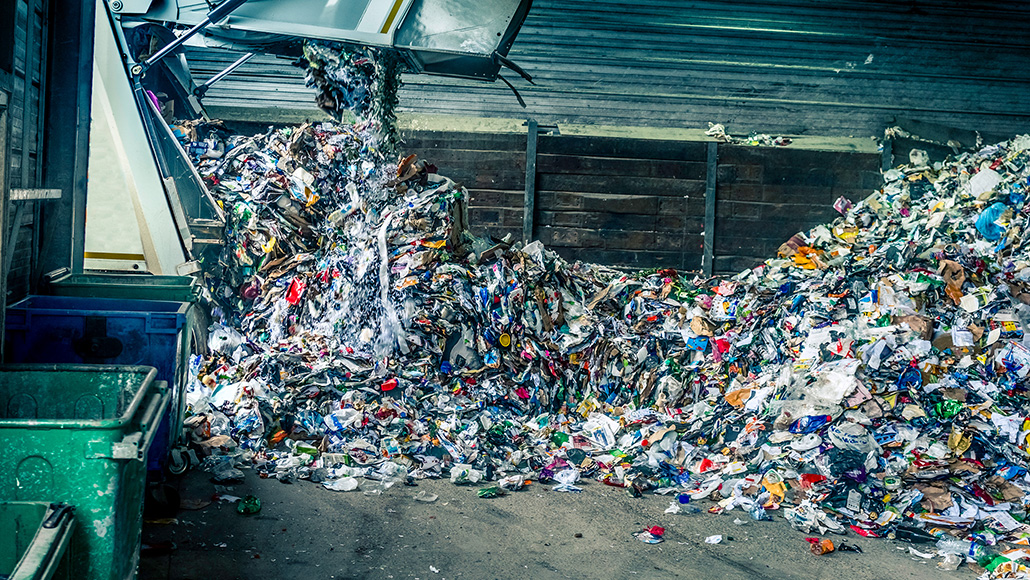
Tech-Enabled Recycling Systems for Circular Urban Living
As urban populations continue to grow, cities around the world are facing mounting challenges related to waste management and resource sustainability. To address these concerns, many are turning to tech-enabled Recycling Company (Återvinning Företag) systems that support the principles of circular urban living. These innovative solutions not only improve recycling efficiency but also contribute to the broader goal of reducing environmental impact and promoting resource regeneration.
At the heart of circular urban living is the idea of minimizing waste and maximizing reuse. Traditional linear models of consumption—produce, use, discard—are being replaced with circular systems where materials are continually reused, refurbished, or recycled. Technology plays a pivotal role in making this transition both feasible and efficient.
Smart recycling bins, for example, are increasingly deployed in urban areas. Equipped with sensors and connectivity, these bins can monitor fill levels, sort waste automatically, and communicate with waste collection services to optimize pick-up schedules. This reduces unnecessary transport emissions and ensures recyclables are processed before contamination occurs. Additionally, many of these bins provide real-time feedback to users, encouraging proper sorting and increasing community participation in recycling programs.
AI-powered material recognition is another breakthrough that enhances recycling accuracy. Using computer vision and machine learning, smart systems can identify, sort, and separate waste streams with a high degree of precision. This not only reduces the burden on manual labor but also ensures higher recovery rates of reusable materials.
In residential and commercial buildings, integrated waste management systems are being introduced that connect users, service providers, and recycling facilities through centralized platforms. Residents can track their recycling habits, receive rewards for sustainable behavior, and stay informed about best practices. This kind of transparency and engagement fosters a more conscious and responsible urban population.
Tech-enabled recycling systems also provide municipalities with valuable data insights. By analyzing waste patterns and recycling behaviors, city planners can make informed decisions about resource allocation, infrastructure improvements, and environmental policy.
Moreover, these systems support local economies by supplying clean, sorted materials back to manufacturers, creating a closed-loop cycle of production and reuse.
In conclusion, technology-driven recycling systems are vital tools in the shift toward circular urban living. By enhancing efficiency, promoting behavioral change, and closing material loops, they empower cities to become more resilient, sustainable, and environmentally responsible for future generations.




One Comment
arderborelnot
I like this website so much, saved to fav.